October 29, 2023
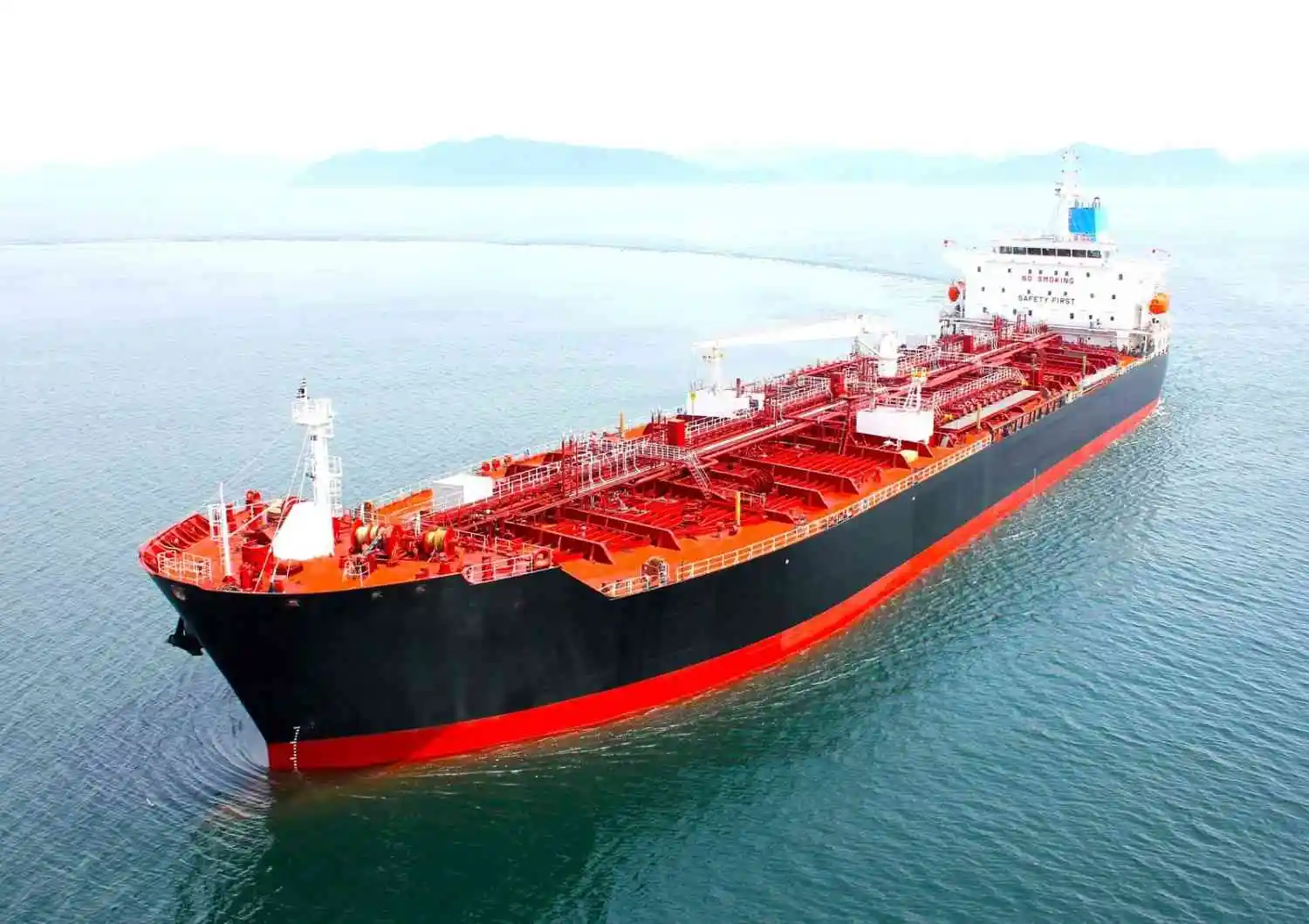
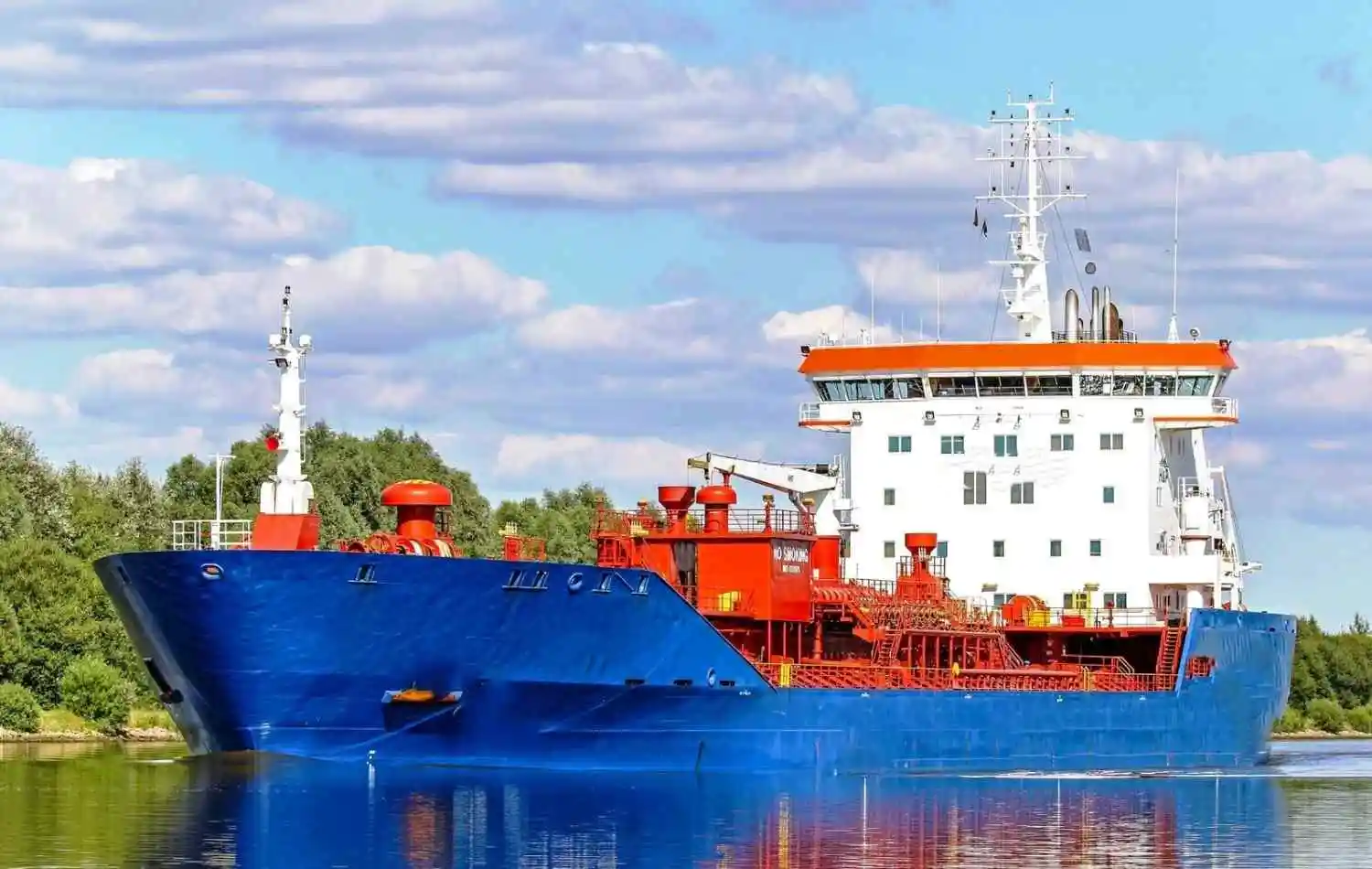
Oil tanker are much like crude carriers but generally smaller, they are used to transport refined products from larger terminals to smaller ports located worldwide. These vessels carry products such as petroleum, diesel, asphalt, jet fuel, tar and lubricating oil, the smaller of these product carriers are also used for non-petroleum bulk products such as palm oil.
Oil tankers are often classified by their size as well as their occupation. The size classes range from inland or coastal tankers of a few thousand metric tons of deadweight (DWT) to the mammoth ultra large crude carriers (ULCCs) of 550,000 DWT. Tankers move approximately 2,000,000,000 metric tons (2.2×10⁹ short tons) of oil every year
Chemical carriers are used for the transportation of a whole range of chemicals, which each have different properties, characteristics and inherit hazards. Chemical tankers generally have a number of separate cargo tanks which are either coated with specialized coatings such as zinc pait/ phenolic epoxy or they are made from stainless steel.
The material used for the cargo tanks or the coating determines what types of cargo each tank can hold, epoxy coated tanks can hold cargoes such as vegetable oil whilst hazardous cargo such as aggressive acids (e.g. phosphoric and sulphuric)
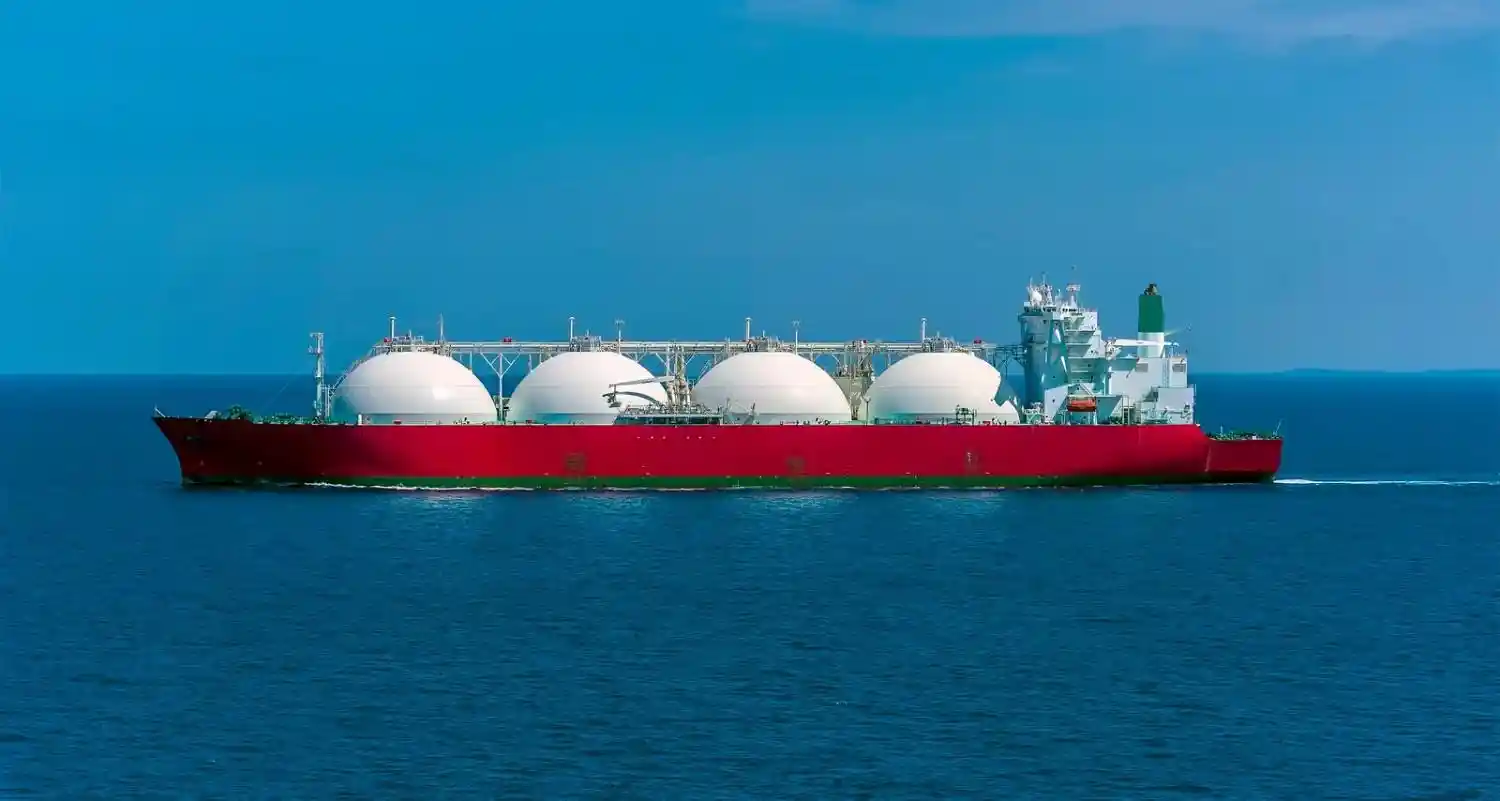
Liquefied gas carriers are highly specialized vessels which are used to transport Liquefied Natural Gas (LGN) or Liquefied Petroleum Gas (LPG). The cargo is stored within spherical tanks under high pressure and often at low temperatures. Loading and unloading of these vessels require specialist terminals and handling equipment. LGNs are usually larger than LPGs, the largest type of liquefied gas vessel is the Q-Max which is a 1132ft long LGN vessel and has a capacity of 266,000 m3
แทงบอล ซอคเกอร์ลีก คะแนนฟุตบอล
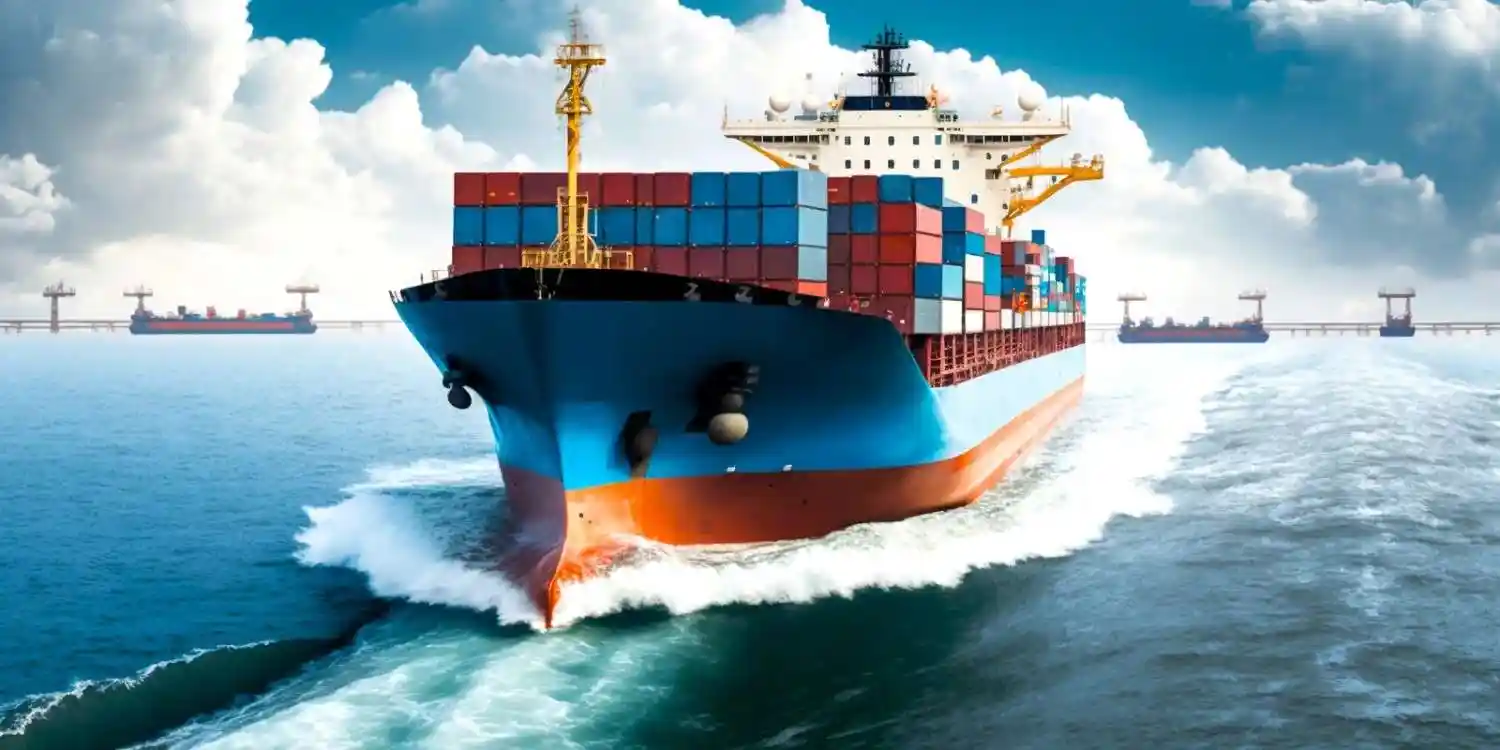
Container ships transport an estimated 52% of all global ocean trade and are specifically designed to transport ISO standardized shipping containers, these include 10, 20, 40 & 45ft standard containers, high-cube containers, open-top containers, flat rack and platform containers and refrigerated containers which require a power source to provide temperature control.
Container ships are loaded / unloaded using gantry cranes which move the containers straight between the vessel and truck which removes the need for warehousing and improves efficiency.
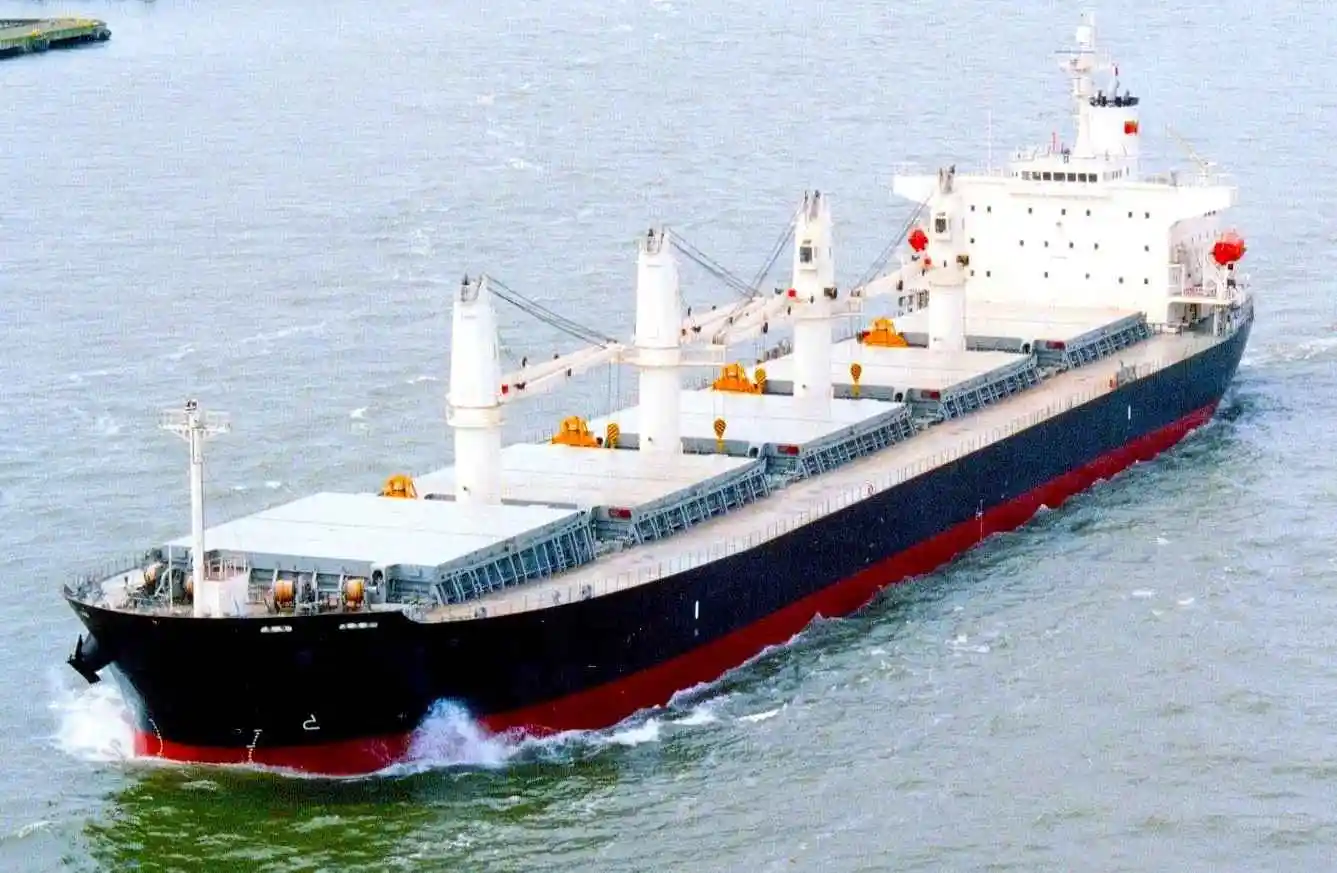
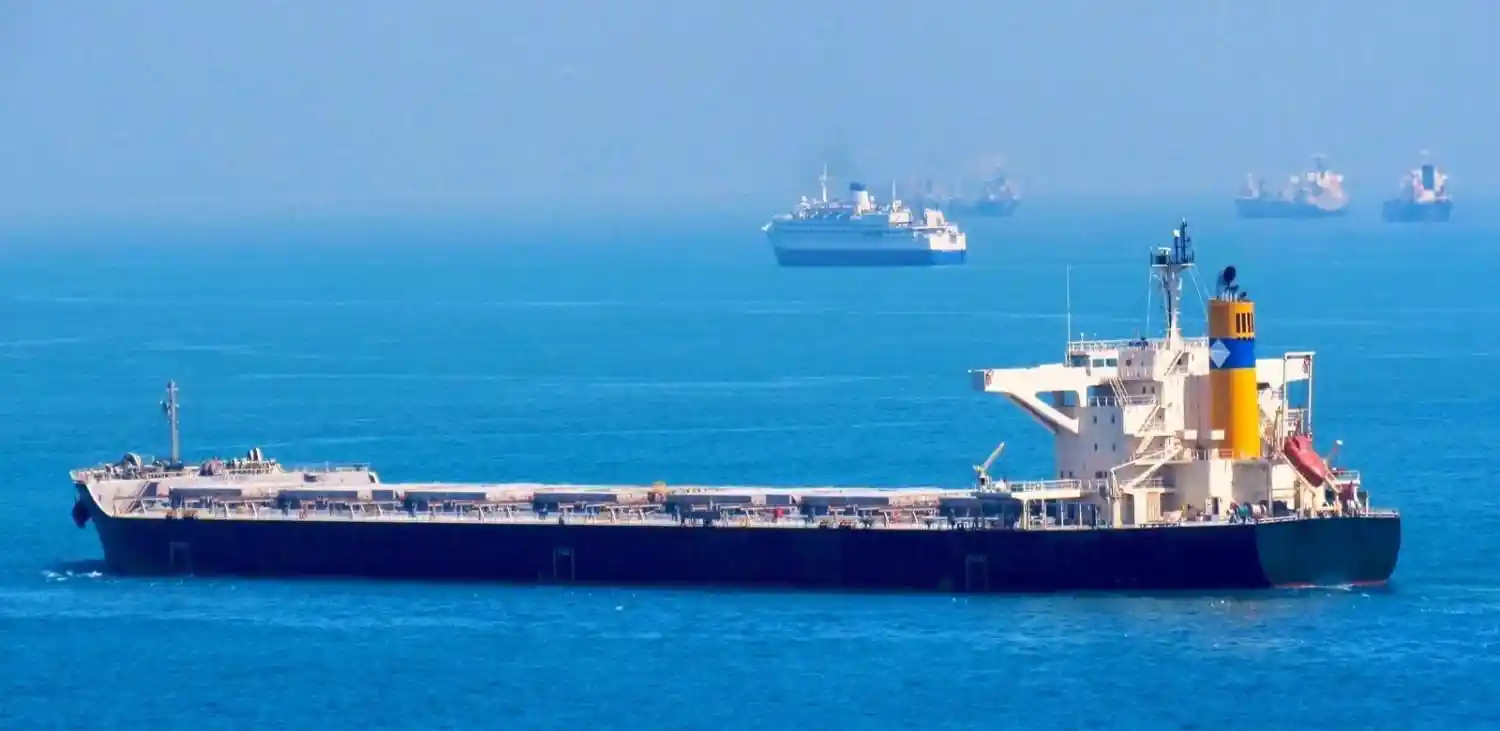
Bulk carriers are used to transport loose dry cargoes such as ore, grains and cement which often have a high weight to cost ratio making ocean transportation by other methods / vessel types inefficient. Bulk carriers are large vessels which are usually divided into separate cargo holds, covered by hatches.
Bulk carriers are loaded by spouts, conveyors or by cranes fitted with grabs, some carriers have cranes fitted to allow the loading and unloading of cargo without the need for port equipment.
Bulk carriers are usually unloaded using cranes fitted with grabs although some cargoes can be unloaded using specialist equipment to speed up the process. Bulk cargo is generally loaded from the vessel into hoppers which then use conveyor belts to transfer the cargo to open storage or silos.
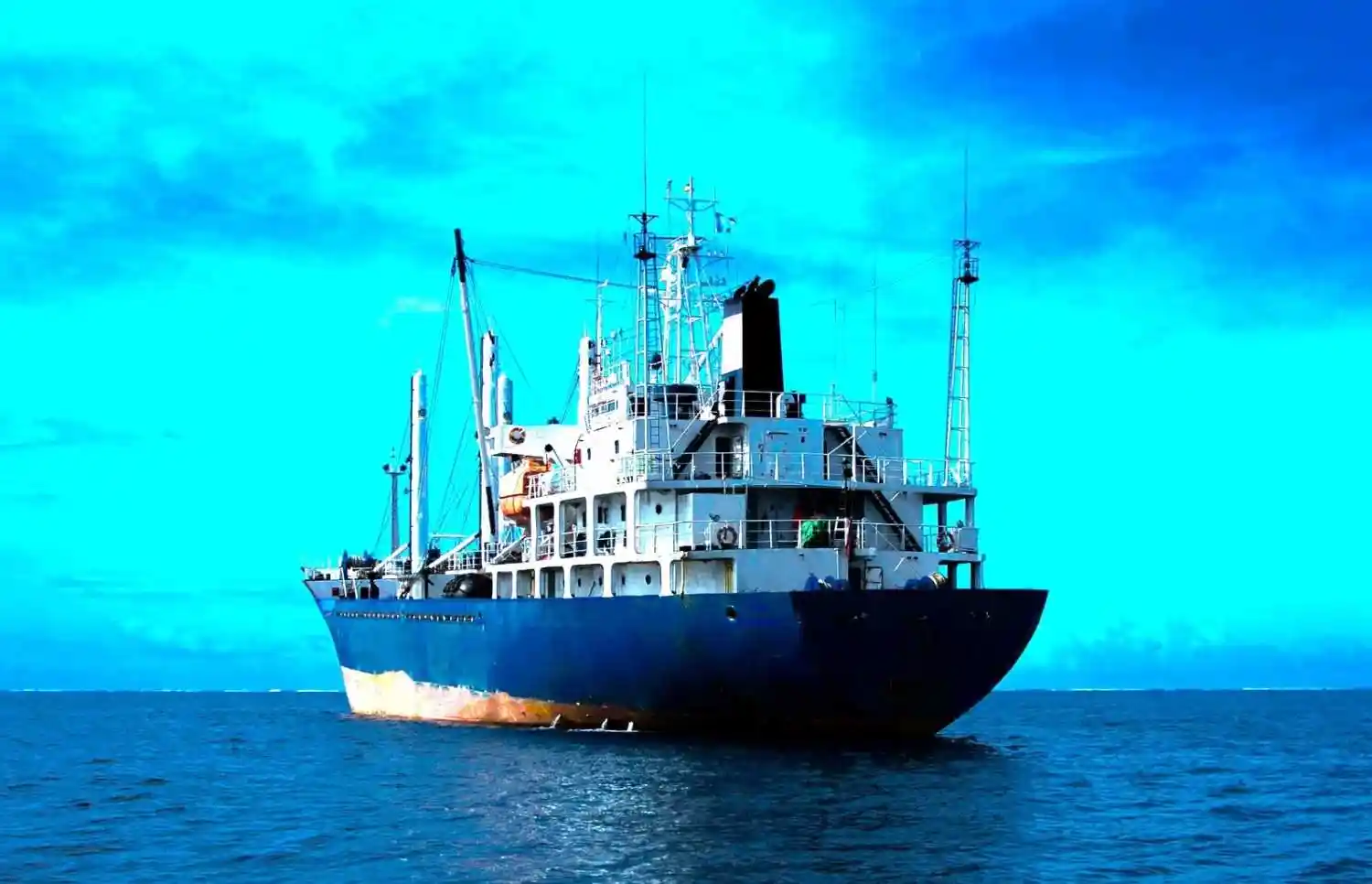
General cargo vessels carry packaged items like chemicals, foods, furniture, machinery, motor- and military vehicles, footwear, garments, etc. Multi-purpose vessels, as the name suggests, carry different classes of cargo – e.g. liquid and general cargo – at the same time. General Cargo ship is specifically designed and used for shipping perishable commodities and other similar products in loose form
.webp)
A passenger ship is a merchant ship whose primary function is to carry passengers on the sea. The category does not include cargo vessels which have accommodations for limited numbers of passengers, such as the ubiquitous twelve-passenger freighters once common on the seas in which the transport of passengers is secondary to the carriage of freight.
Offshore vessels primarily serve the offshore oil and gas sector and are also engaged in offshore construction projects like offshore wind farms. Different types of offshore vessels handle specific tasks such as transporting supplies to oil platforms, undertaking drilling etc. Crew members of offshore rigs or floating structures also use them to go home or return to work.
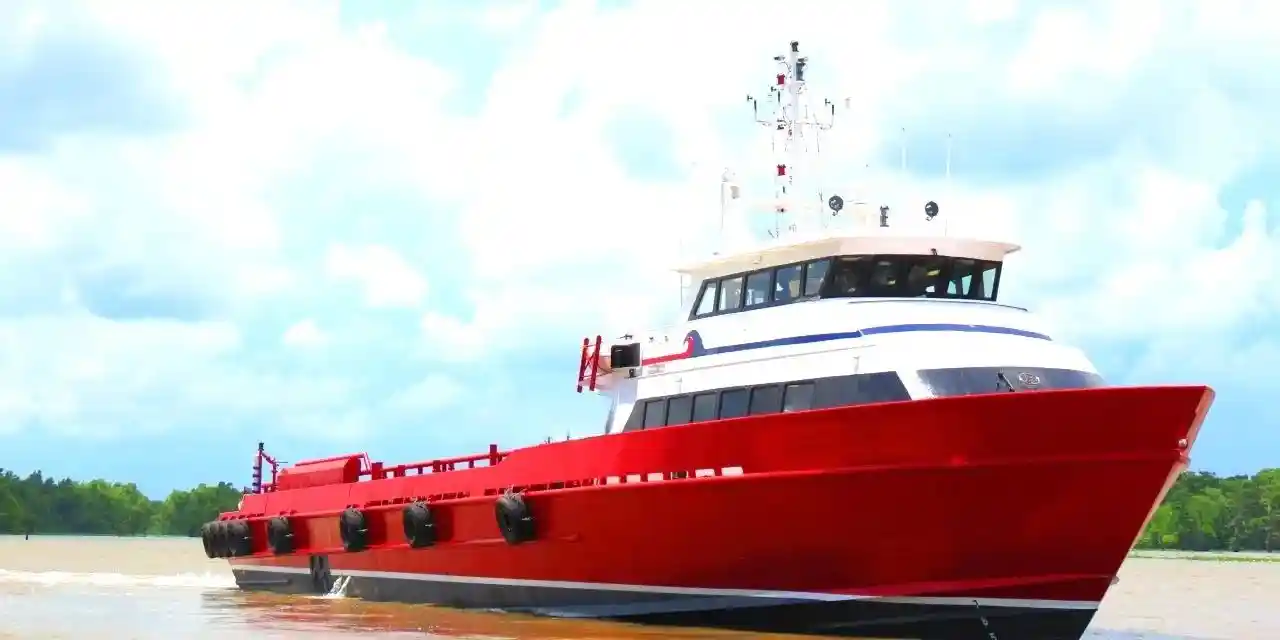
A passenger ship is a merchant ship whose primary function is to carry passengers on the sea. The category does not include cargo vessels which have accommodations for limited numbers of passengers, such as the ubiquitous twelve-passenger freighters once common on the seas in which the transport of passengers is secondary to the carriage of freight.
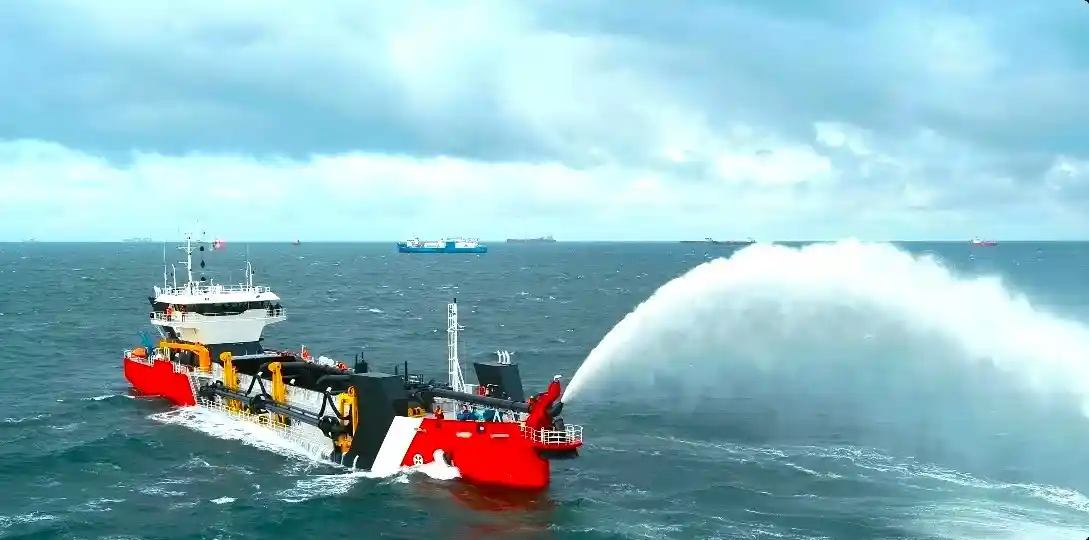
These dredging vessels are capable of dredging various soil types and materials, such as silt and rock. These dredging vessels design and build a variety of standardised and custom-built. The wide range of dredger types, from trailing suction hopper dredgers and grab hoppers to cutter suction dredgers and wheel suction dredgers, ensures that always have a solution to dredging job. Whether that be maintenance dredging, land reclamation or aggregate dredging.
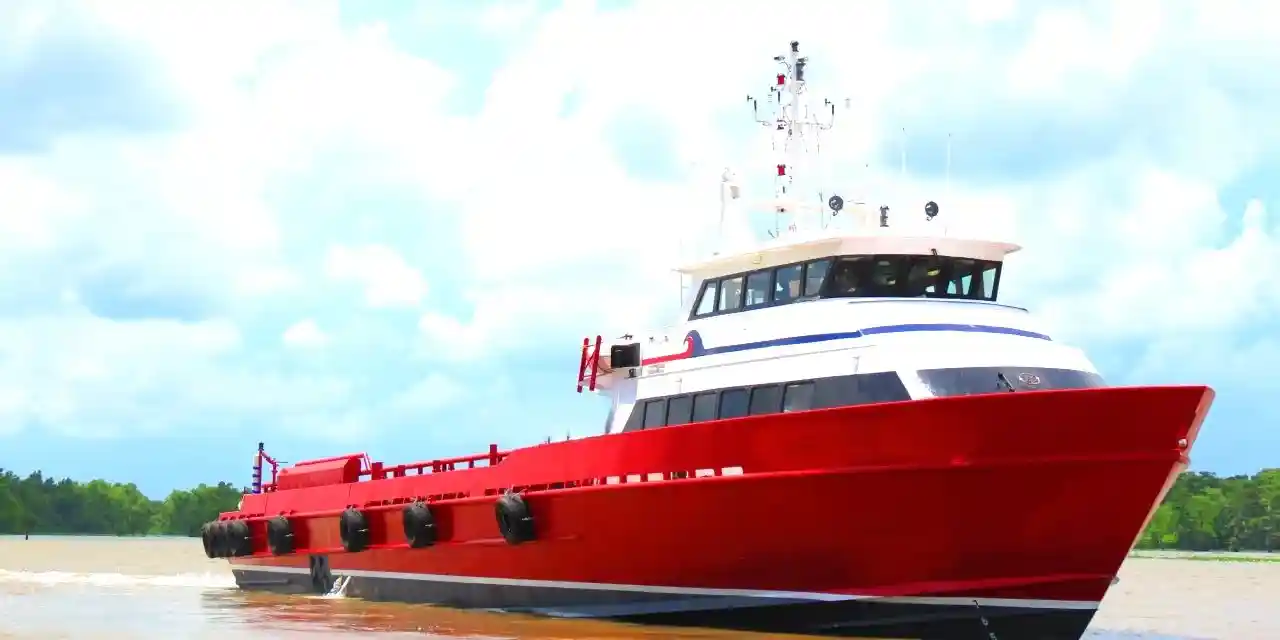
Tugs are highly maneuverable and powerful vessels which are used to assist larger and less maneuverable vessels. They can be used to assist ships in, out and around ports as well as during bad weather when they’re power and maneuverability can ensure the safe transit of large vessels. Tugs are also used for port to port transportation of barges and the movement of large structures such as offshore platforms and floating storage
Oil Rig platform (also called an oil rig, offshore platform, oil production platform, etc.) is a large structure with facilities to extract and process petroleum and natural gas that lie in rock formations beneath the seabed. Many oil platforms will also have facilities to accommodate the workers, although it is also common to have a separate accommodation platform linked by bridge to the production platform.
.webp)

Indocean Maritime Services Private Limited is a company established in the year 2014 and register under the MINISTRY OF CORPORATE AFFAIRS (GOVERNMENT OF INDIA)
October 29, 2023

October 29, 2023
Copyright © 2025 INDOCEAN MARITIME SERVICES PRIVATE LIMITED All Rights Reserved
Loading